Figure 1
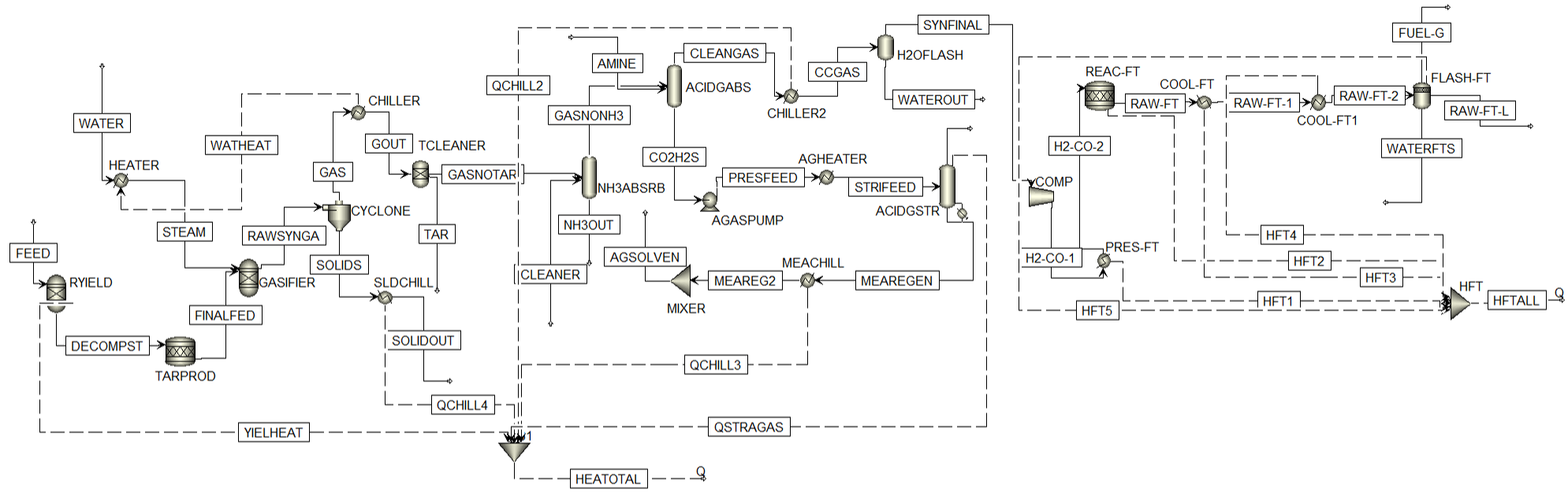
Figure 2
Team 4
Team Members |
Faculty Advisor |
Thomas Purcell |
Dr. George Bollas Sponsor CircumVent Global |
sponsored by

Producing Liquid Fuel from Cow Manure via Fischer-Tropsch Synthesis
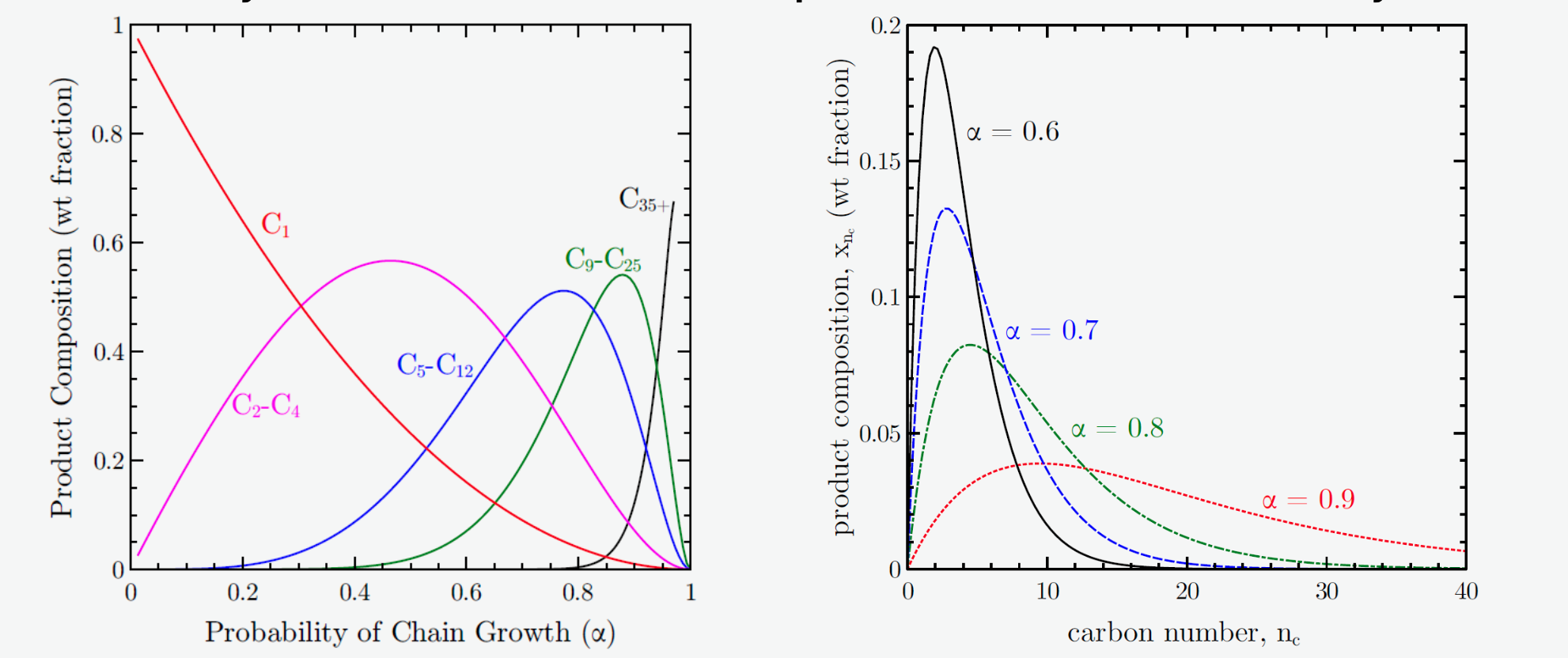
The transportation sector relies heavily on fossil fuels, with 96% of fuel production stemming from nonrenewable sources. Renewable resources, such as woody biomass and agricultural residues like corn stover, have been explored as feedstocks in alternative methods of fuel production. Unfortunately, seasonal availability and competing demands limit resource quantity and practicality. In contrast, cow manure is an abundant resource with strong potential to serve as a feedstock in biomass-to-fuel operations. Our goal is to develop a carbon-neutral process that converts cow manure to gasoline- and diesel-range fuels. To achieve this goal, the process will derive syngas (H2 + CO) from cow manure, using Fischer-Tropsch Synthesis (FTS) to convert it into liquid fuels. FTS is a chemical reaction in which syngas reacts on the surface of a metal catalyst to produce hydrocarbons. Typically, FTS favors undesirable long-chain hydrocarbon formation, but tailoring catalyst characteristics can modify the reaction, promoting fuel-range selectivity. The current design stands as an Aspen Plus model that simulates the multi-stage conversion process. Manure undergoes anaerobic digestion, producing methane-rich biogas and leaving behind a solid known as digestate. The digestate is steam-gasified at high temperatures to generate syngas. After the syngas undergoes substantial treatment to remove contaminants, it can be upgraded to liquid fuels via FTS. This design provides a scalable pathway for turning agricultural waste into valuable energy. Future work will include tuning the FTS catalyst to optimize product selectivity and leveraging heat integration and governmental incentives to improve the economic viability of the process.