
Figure 1
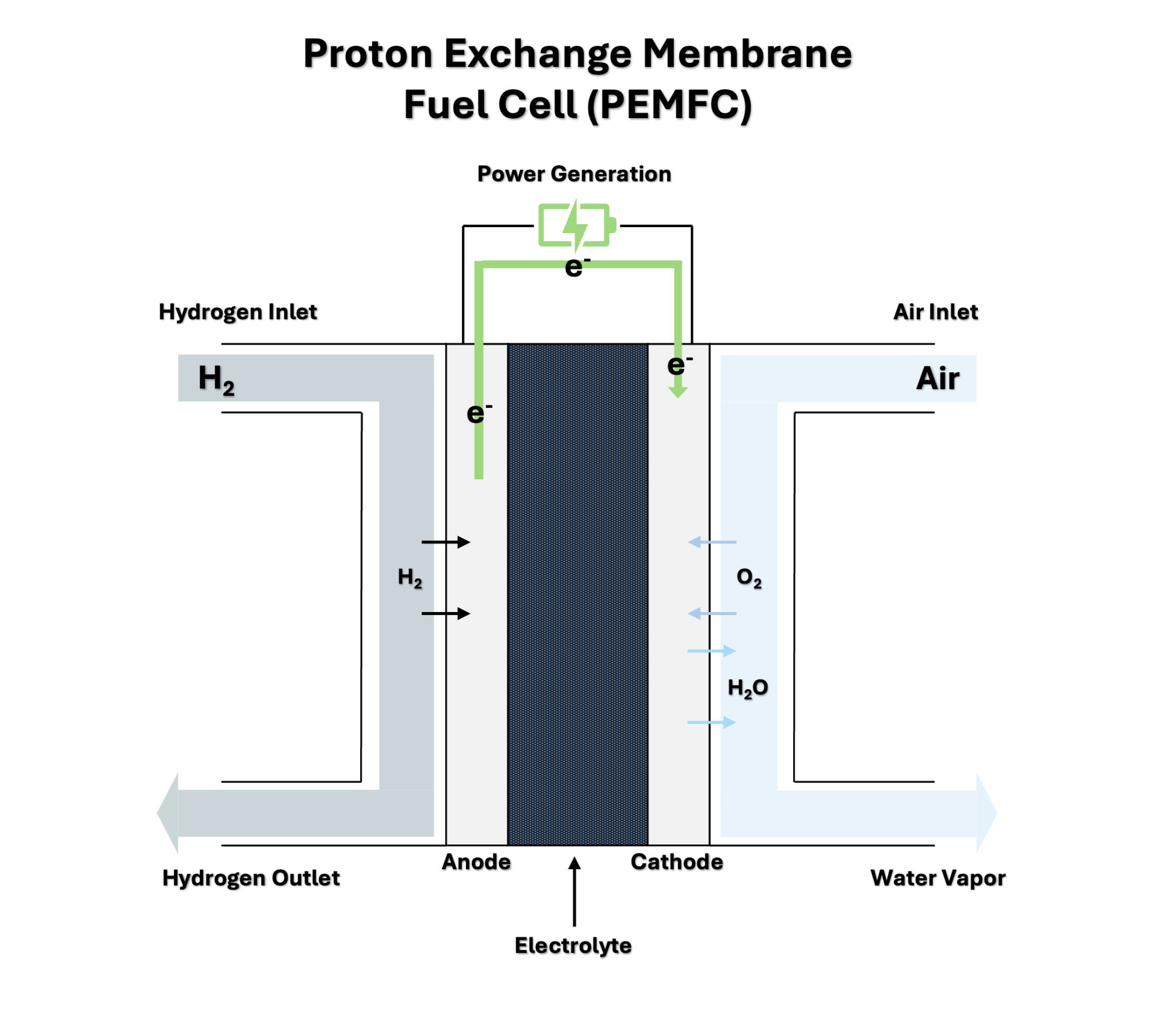
Figure 2
Team 12
Team Members |
Faculty Advisor |
Aydan Reilly |
Dr. Xiao-Dong Zhou and Dr. David Daggett Sponsor Unsponsored Student Team |
sponsored by
Sponsor Image Not Available
Fuel Cell Powered RC Airplane
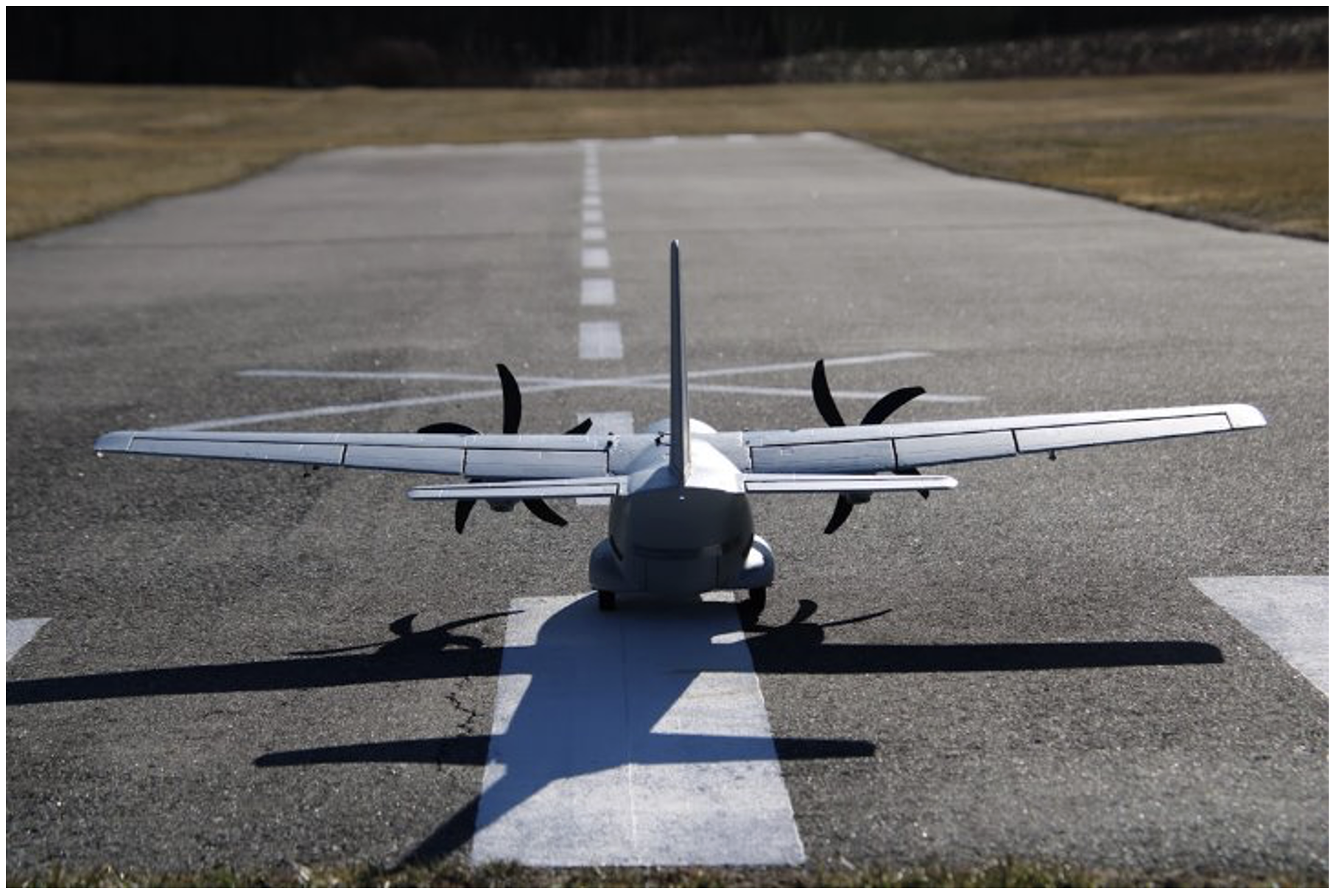
Aviation contributes over 2.5% of annual global carbon emissions, and more than 100,000 aircraft operate each day, increasing the urgency for sustainable propulsion technologies. Proton-exchange membrane fuel cells (PEMFCs) offer a promising alternative by converting hydrogen and oxygen into electricity through electrochemical reactions, producing only water as a byproduct. Through the University of Connecticut’s Senior Design program at the Center for Clean Energy Engineering, our team builds on a 2024 demonstration of a PEMFC-powered remote-controlled aircraft. We aim to improve the reliability, integration, and durability of the onboard fuel cell power system while advancing its practical application in small-scale aerospace systems. We begin with a remote-controlled model aircraft and replace the traditional lithium battery with a hydrogen-powered PEMFC. The previous team identified system constraints, power requirements, and payload limitations. We troubleshoot and rehydrate the 30 W PEMFC to restore membrane health, evaluate its power output, and define a scale-up pathway to a 100 W system capable of achieving the required ten-minute flight time. We also design a stabilization system to mitigate vibration damage, optimize fuel cell integration within the aircraft, and determine best practices for long-term PEMFC storage. Through these efforts, we advance low-emission aviation technologies and establish a foundation for future implementation of higher-power fuel cell systems.