Team 8
Team Members |
Faculty Advisor |
Julia Fenn |
Kristina Wagstrom Sponsor Unsponsored Student Team |
sponsored by

Automated Batch Vermicomposting System
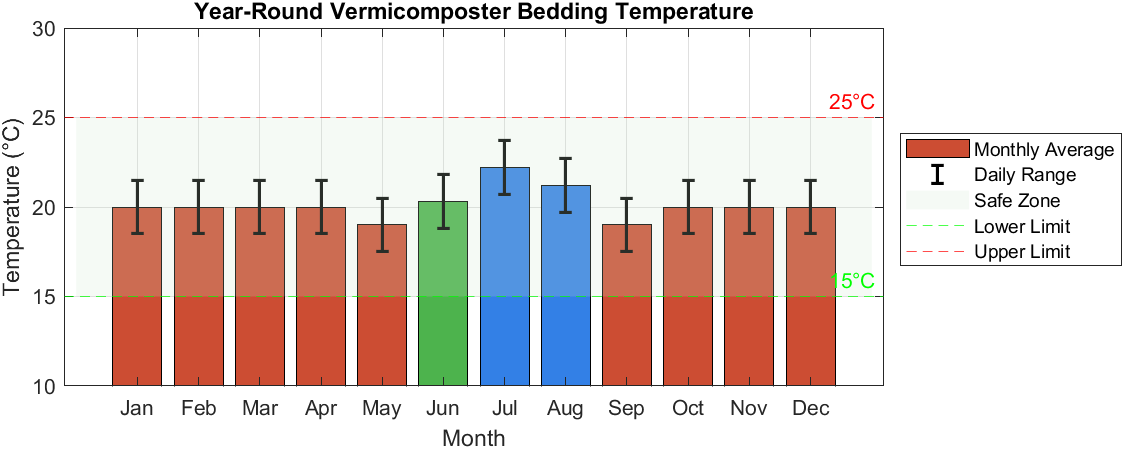
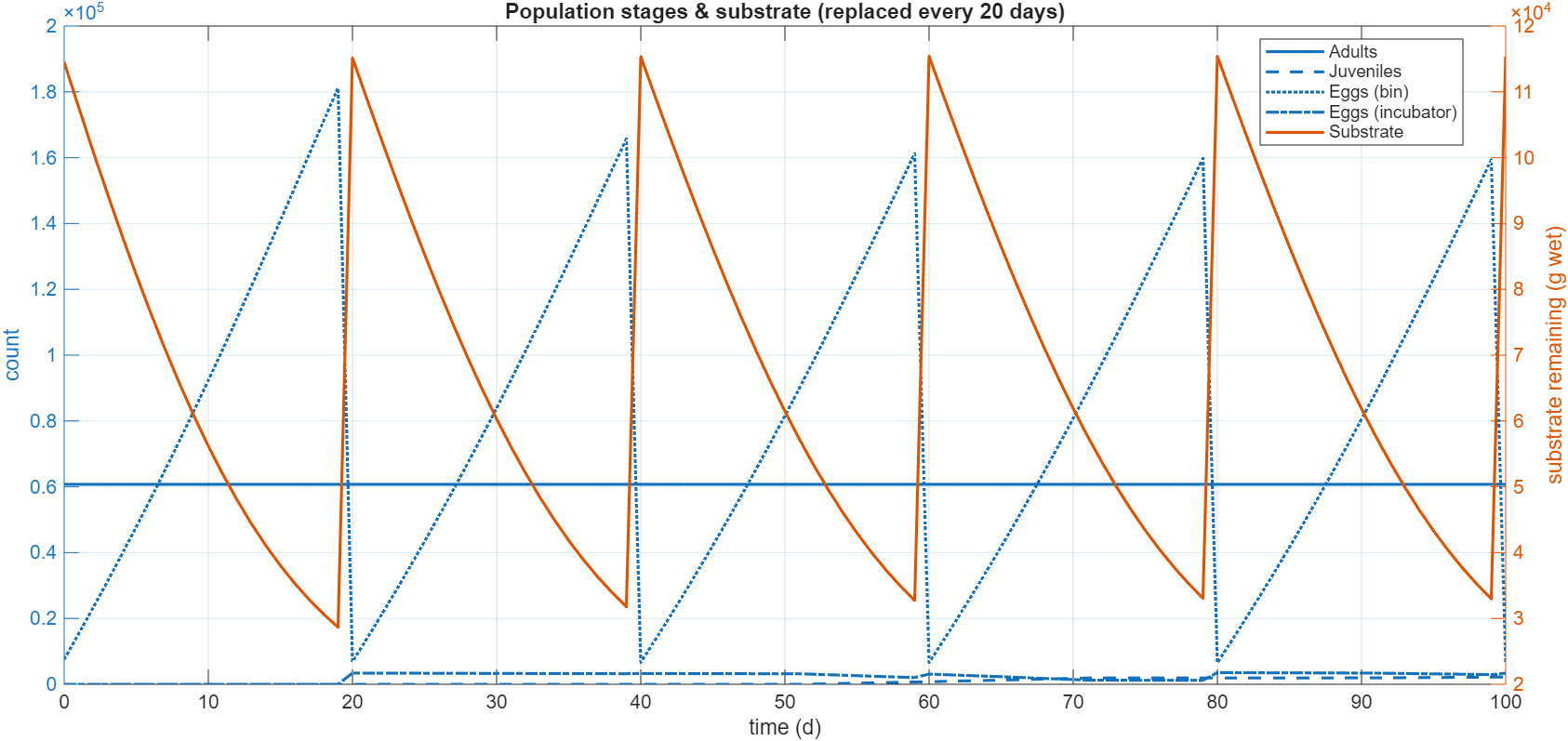
As cities continue to develop and available land shrinks, urban agriculture faces a fundamental problem: soil within the confines of a city is often nutrient deficient, contaminated, or overall absent. Natural top-soil regeneration is unreliable, and using bagged fertilizer or compost is expensive and unsustainable. In order for urban agriculture to be successful, farmers need a method of creating fertile soil that is low-cost, space-efficient, and regenerative. Vermicomposting, the biological process in which earthworms consume organic waste then excrete a microbially rich soil amendment, meets all of these needs. The highly viable byproduct, referred to as vermicompost, is concentrated in plant-available nutrients as well as beneficial microorganisms which help improve soil structure, water retention, and biological activity. The primary objective of this project is to engineer a scalable, high-yield vermicomposting process for the nonprofit New Britain ROOTS through the application of the Dynamic Energy Budget (DEB) theory and heat transfer modeling. The production of vermicompost from community-sourced waste thus provides New Britain ROOTS with a dynamic tool that feeds both the soil and the community. DEB theory models how worm population growth, reproductive cycles, and substrate consumption rates affect the overall efficiency and output of the composting system over time. In addition, quantifying heat generation, retention, and loss within the reactor provides the parameters necessary to specify automated temperature control for the winter and summer months. The integration of these models is crucial, as maintaining thermal stability within 15°C to 25°C is imperative to sustaining worm and microbial metabolism year-round.