

This video contains proprietary information and cannot be shared publicly at this time.
Figure 1
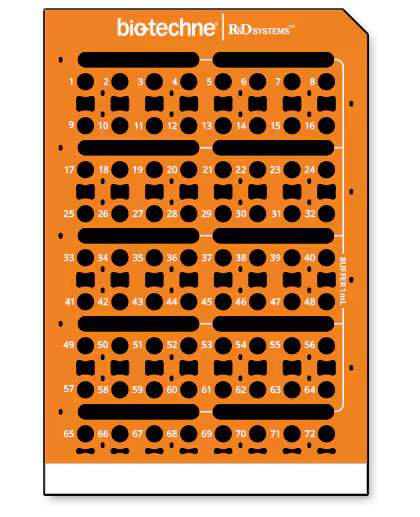
Figure 2
Team 13
Team Members |
Faculty Advisor |
Kellynn Hill |
Luyi Sun Sponsor Bio‑Techne |
sponsored by

Simple Plex cartridges
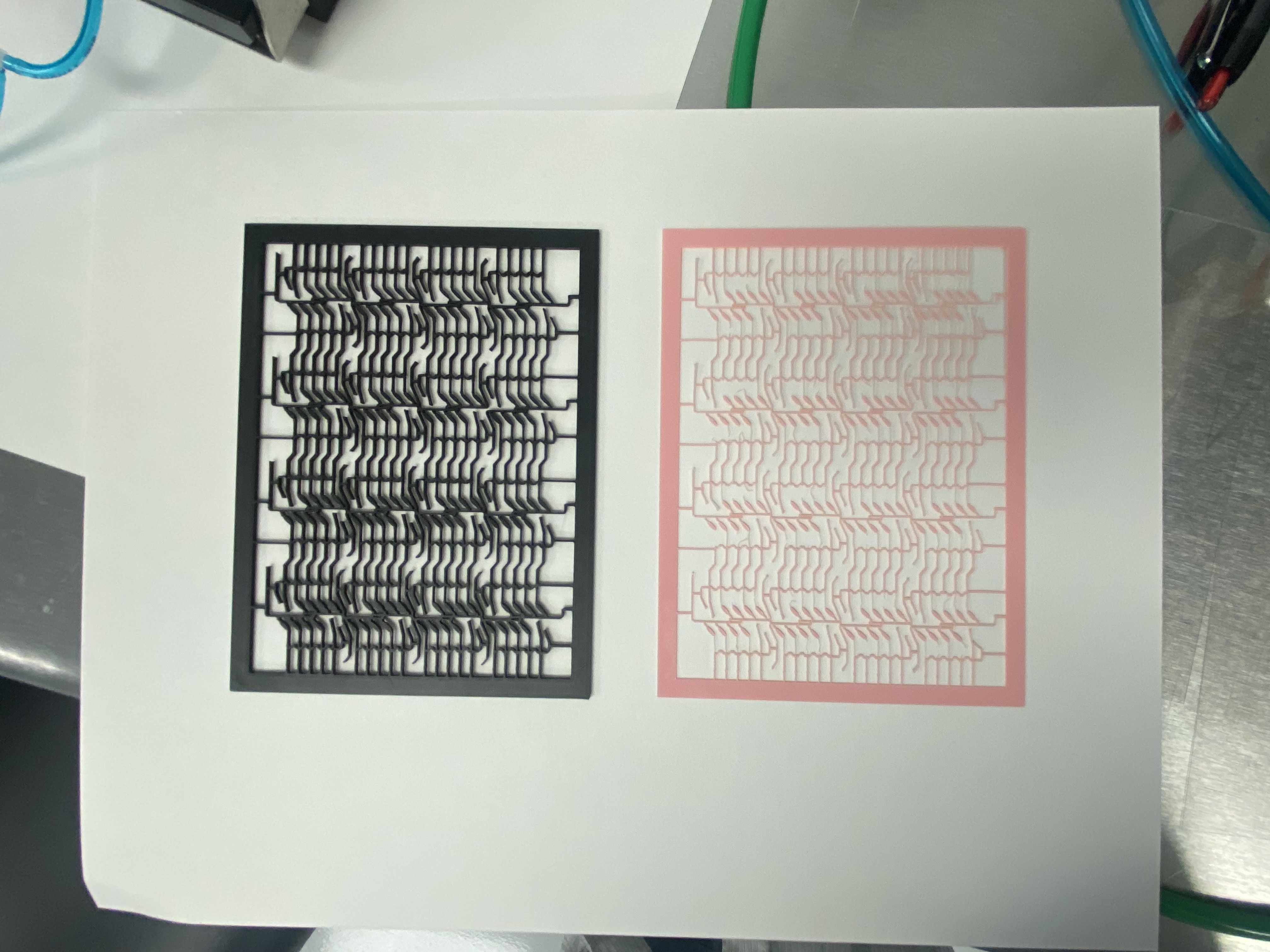
Many tools used in medical and research labs measure specific proteins in liquid samples. These measurements help scientists understand how biological systems work and how they change under different conditions. One common way to measure proteins is a test called an enzyme-linked immunosorbent assay (ELISA), which uses antibodies to find and measure target proteins. At Bio-Techne, this test is run on an automated instrument called Ella. The system uses small plastic cartridges that contain tiny channels and valves. These features move small amounts of liquid through the test in a controlled way. By guiding how the sample and testing chemicals flow, the cartridges help the system produce accurate and repeatable results. As demand for these cartridges increased, the original manufacturing process became too slow and difficult to scale. The cartridges are made from a soft silicone material, and their layers are bonded using plasma treatment in a vacuum oven. After bonding, the cartridges require an overnight “burn-in” step so the tiny valves and pistons function properly. This batch process limits how many cartridges can be made and increases the risk of defects, such as valves sticking or sealing incorrectly. Our senior design project focused on converting this batch process into a faster, continuous process. We replaced the vacuum plasma oven with an atmospheric plasma bar that operates at normal air pressure and supports inline manufacturing. We also tested methods to prevent valve failure, including controlled humidity and protecting valve areas during treatment. Testing showed the new process produced similar surface quality with equal or fewer valve failures. Overall, this improved process enables higher production rates, lower manufacturing costs, and more reliable cartridges for analytical instruments.